Deploy cutting-edge artificial intelligence to combat financial crime while maintaining robust regulatory oversight, model governance, and effective risk management controls.
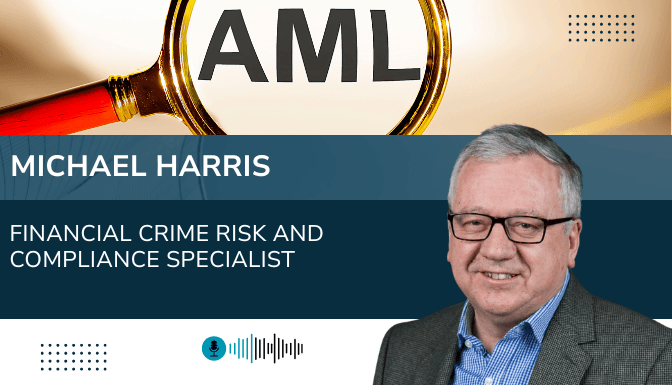
Financial institutions are increasingly exploring artificial intelligence to enhance AML and KYC processes, but effective deployment requires far more than technology adoption. Without robust governance, validation, and oversight frameworks, AI systems can introduce significant regulatory, operational, and reputational risk.
This session provides a practical framework for implementing AI within AML environments, focusing on governance structures, model validation, human oversight, data quality, and regulatory expectations. It is designed to help compliance, legal, and risk professionals deploy AI responsibly while maintaining defensible, audit-ready AML systems.
Key Topics Discussed

Financial Crime Risk and Compliance Specialist
Michael is an independent financial crime risk consultant at FCC Consulting and works with technology and data companies who provide anti-money laundering and anti-bribery compliance solutions. With a career spanning four decades in international business, Michael offers unique insights into the changing geo-political risk landscape, the evolution of financial crime regulation, the genesis and development of AML and ABC regulation, and how data and technology can empower organisations. Michael is a regular writer, speaker and contributor on financial crime topics in the media. Since 2008 Michael has specialised in the financial crime compliance sector, providing risk intelligence data and technology and subject matter expertise in KYC/AML in financial services and anti-bribery and corruption risks, KYS, third party on-boarding and ongoing monitoring. He is qualified as an ACAMS certified anti-money laundering specialist. Combining regulatory and technical expertise, anti-money laundering and anti-bribery and corruption legislation knowledge with extensive sales, business development and leadership experience. He has a deep understanding of AML and ABAC controls, processes and procedures for all forms of financial crime compliance including anti-money laundering and countering of terrorist financing regulations and bribery act.
