LF logo
by learnformula
search
Log in
search
Courses/Law/Tax Law

COP9 Investigations: Practical Guidance for Advisers

What HMRC Expects — and How to Protect Your Client
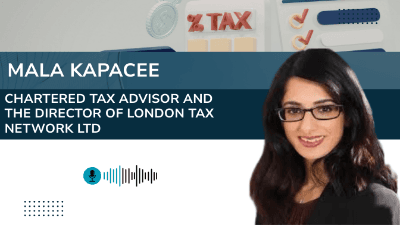
Created byMala Kapacee
BeginnerUpdated Feb 27, 2026
COP9 Investigations: Practical Guidance for Advisers

What You'll Learn

check_circleUnderstand HMRC’s current approach to civil fraud investigations under COP9.
check_circleInterpret how HMRC applies the concept of “deliberate behaviour” in practice.
check_circleAdvise clients on disclosure strategy, timing, and scope.
check_circleNavigate the COP9 process from initial contact through to resolution.
check_circleIdentify key risks that can trigger escalation or undermine settlement.

About This Course

HMRC’s Code of Practice 9 (COP9) governs how the department conducts civil investigations into suspected tax fraud and sets out what it expects from taxpayers and their advisers. In recent years, HMRC has refined its approach to civil fraud investigations, including how it frames allegations of deliberate behaviour, manages disclosures, and escalates matters where cooperation breaks down.

This live and interactive webinar provides advisers with up-to-date, practical guidance on handling COP9 investigations in the current enforcement environment. The session focuses on strategy, risk management, and adviser responsibilities when representing clients facing allegations of deliberate tax behaviour.

Designed for accountants, tax advisers, and lawyers, the session will help you understand how HMRC now approaches COP9 cases, how to manage client disclosures effectively, and how to minimise the risk of escalation to criminal investigation or adverse civil outcomes.

Participants will explore the following key topics:

  • The current enforcement landscape and why HMRC chooses civil investigation over criminal prosecution.
  • The legal and practical definition of deliberate behavior, including the concept of blind-eye knowledge.
  • Step-by-step guidance on the Contractual Disclosure Facility (CDF), including accepting or rejecting offers.
  • Best practices for preparing Outline Disclosures and the full Disclosure Report within strict deadlines.
  • Strategies for distinguishing between deliberate fraud and careless errors to mitigate penalties.
  • Understanding the penalty regime, including reductions for cooperation and the risks of naming and shaming.
  • Advisor responsibilities, including managing client expectations, conflict of interest, and anti-money laundering obligations.

By the end of this course, advisers will be equipped with the practical tools and technical knowledge necessary to guide clients through the rigorous COP9 process. You will learn how to maintain control of the investigation, ensure accurate and timely disclosures, and negotiate settlements that minimize financial and reputational damage. This course is an invaluable resource for any tax professional looking to specialize in dispute resolution or currently handling complex tax inquiries.

Your Instructor

Mala Kapacee
Mala Kapacee
menu_book1 courses

Mala is a Chartered Tax Adviser and solicitor. She is the Director of London Tax Network Ltd, a tax investigations consultancy specialising in resolving disputes with HMRC. She assists clients with tax enquiries and CoP8 and 9 Investigations across a range of taxes and situations: self-employment, property, owner managed businesses and non-UK domiciled individuals. Mala lectures regularly for professional bodies including the CIOT and the CIMA and was a finalist for Best Rising Star in Tolley’s Taxation Awards 2020.

Credit Information

What Students Are Saying

0.0
Student's Choice
0 reviews

Frequently Asked Questions

We are a registered provider with 327+ associations and regulatory bodies worldwide. We operate across 29 global markets including Canada, the US, Australia, and the UK. Every course page clearly displays its specific accreditations. Upon completion, you receive a professional certificate that can be validated online. Our certificates include all necessary accreditation details, credit hours, and completion dates, and are formatted specifically to meet the submission requirements of most global regulatory bodies.