Master the drafting of tax deeds from a litigator's perspective to effectively allocate risk and ensure your M&A deals withstand judicial scrutiny.
Tax indemnities remain one of the most heavily negotiated and litigated elements of private M&A transactions. Despite appearing formulaic, small drafting choices can have significant consequences for risk allocation, claim viability, and post-completion disputes.
This practical webinar provides a structured introduction to tax indemnities in private company acquisitions, aimed at junior accountants in transactional tax teams and solicitors with limited prior exposure to drafting or negotiating these provisions. It explains why tax indemnities exist, how they interact with warranties and other SPA provisions, and where common pitfalls arise in practice.
Using real-world examples and case-driven analysis, the session highlights clauses that frequently attract negotiation or litigation, explains how claims succeed or fail, and offers best-practice guidance for reviewing and drafting tax indemnities in line with current market practice and recent legal developments.

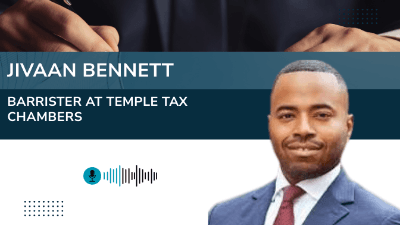
Barrister | Temple Tax Chambers
Jivaan accepts instructions across all areas of Chambers’ expertise with a particular focus on international tax law issues, tax-related corporate disputes (such as tax warranty and indemnity claims and other post-completion claims) and tax issues arising in the sports and entertainment industries. Jivaan is recognised for combining technical rigour with a strong commercial focus. He works seamlessly with those instructing him, leveraging his tax advisor and solicitor background to anticipate client needs, coordinate strategy, and deliver practical, outcome-driven advice. Jivaan began his career with PwC Trinidad and Tobago (where he managed a regional tax disputes portfolio) before moving to London and joining Band-1 rated boutique tax disputes firm Joseph Hage Aaronson. He later qualified as a solicitor at Linklaters, where he spent almost a decade advising on tax issues in high-value M&A and corporate finance transactions as well as advising on corporate and tax disputes. He offers a rare combination of almost 15 years’ experience, gained both in the UK and internationally, advising on the tax aspects of corporate and commercial transactions, tax disputes and tax-related corporate disputes (both litigation and arbitration). His background as a tax advisor, a solicitor at a Magic Circle firm and now as a barrister makes him particularly effective at working in partnership with instructing solicitors, in-house counsel and tax advisors on high-stakes matters.
